Conference Report
Attending Geoinformatics 2026 and the CPGIS 2026 Annual Conference in Singapore
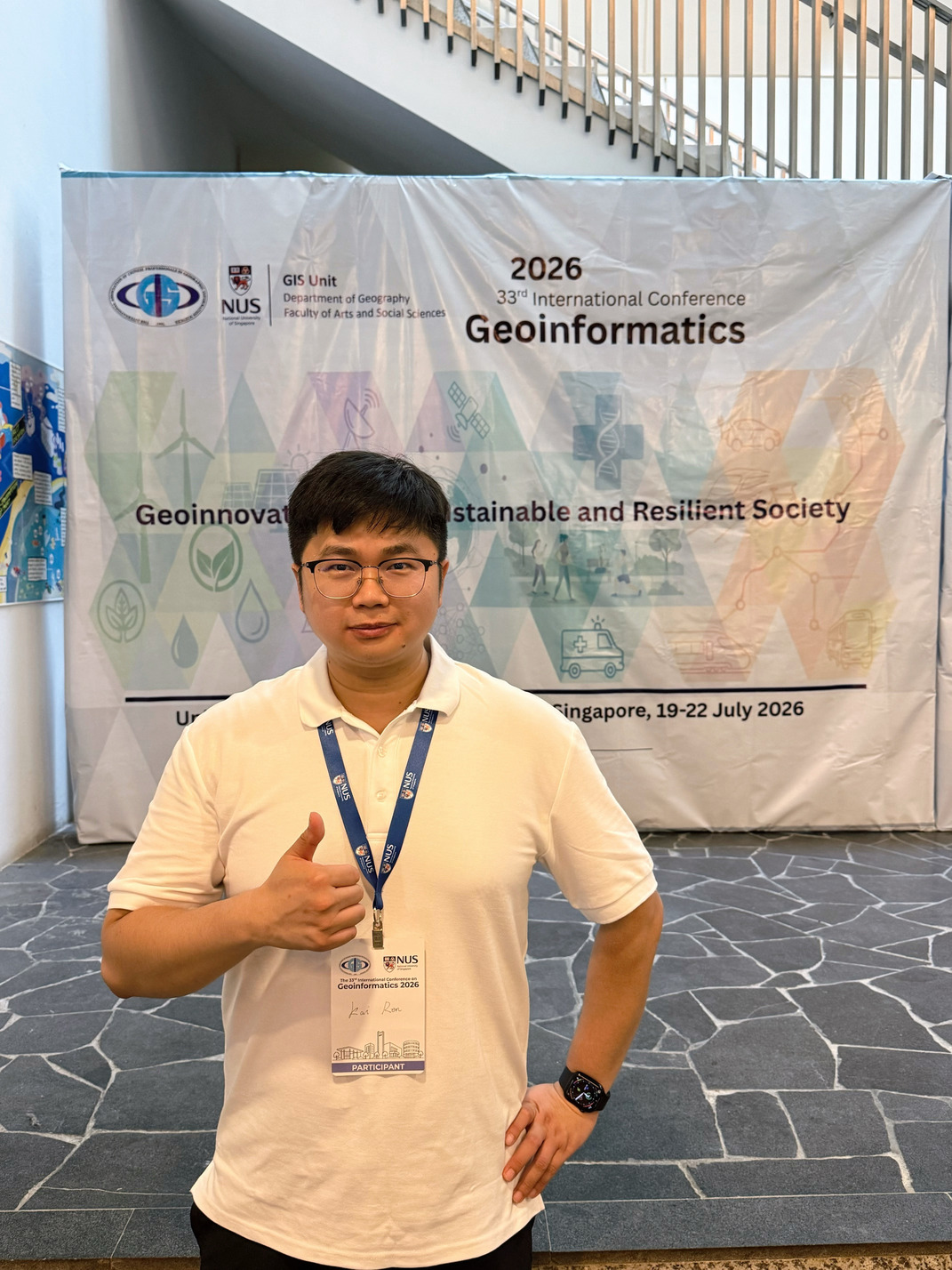
From 19 to 22 July 2026, I joined Geoinformatics 2026 and the CPGIS 2026 Annual Conference at the National University of Singapore, where I gave one oral presentation on second-dimension outliers for spatial prediction.
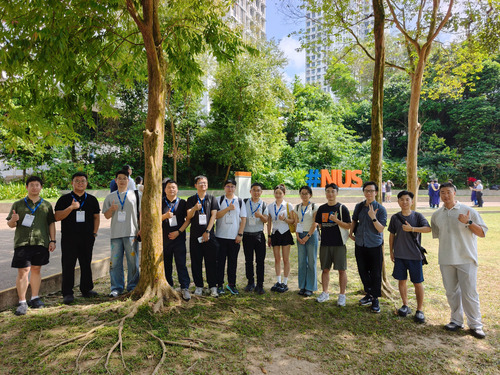
Geoinformatics 2026 in Singapore
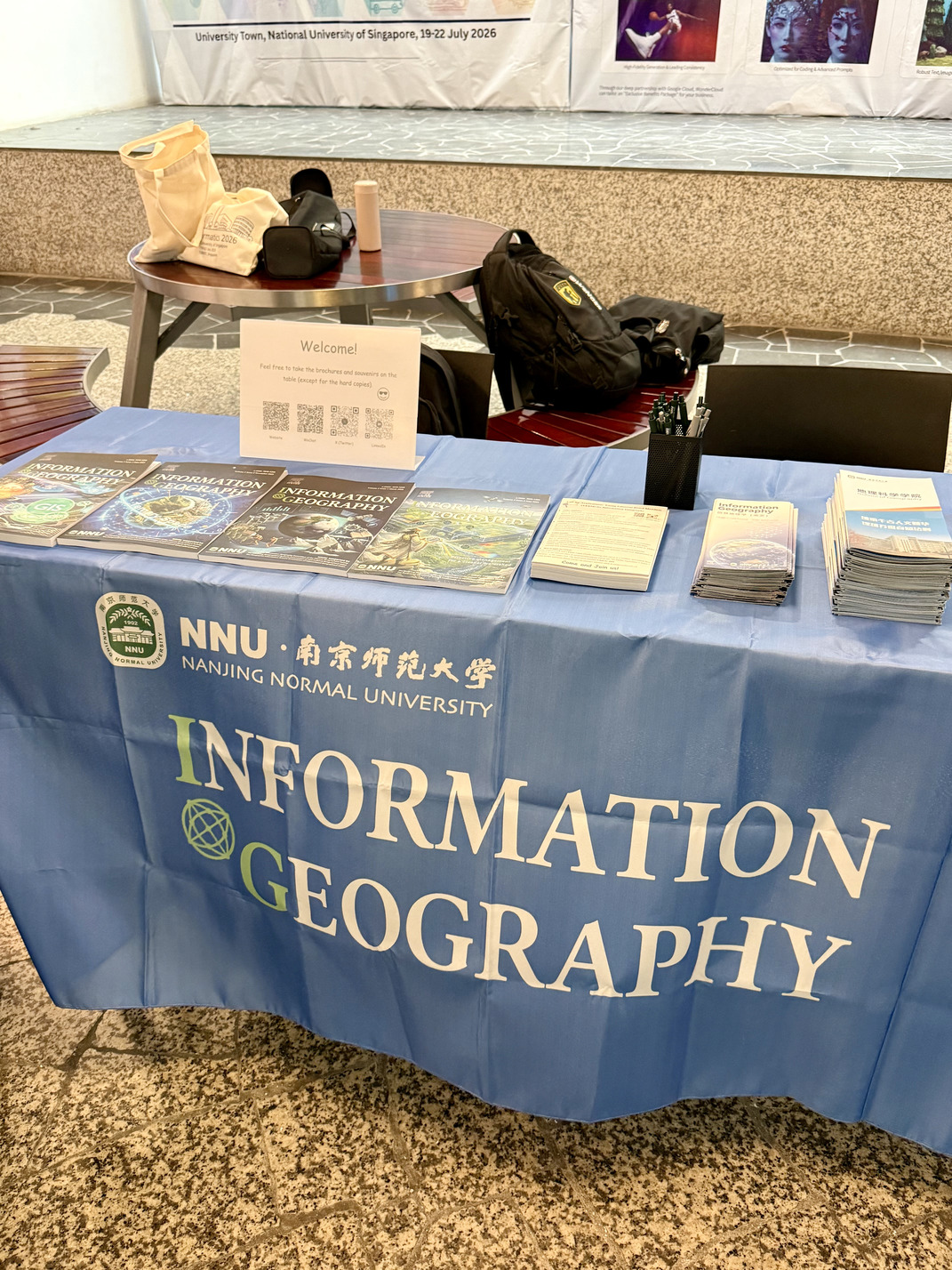
The 33rd International Conference on Geoinformatics and the CPGIS 2026 Annual Conference were held at the National University of Singapore under the theme “Geo-Innovations for a Sustainable and Resilient Society”. The programme brought together work on geospatial data, spatial analysis, GIScience, healthy cities, resilience, and Big Earth Data.
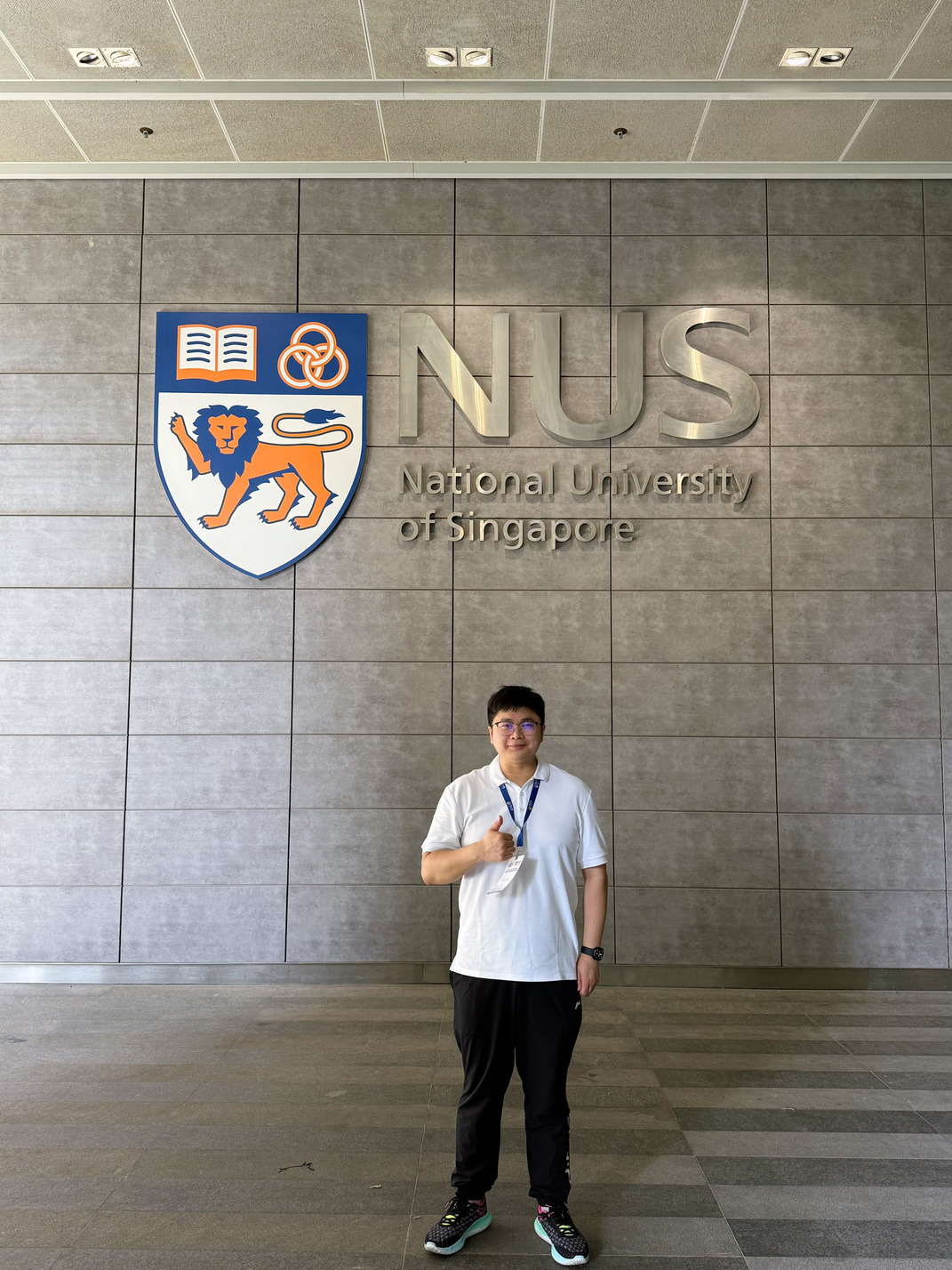
Moving between the lecture theatres, conference information area, and NUS campus made the event feel both focused and open: formal presentations were closely connected with informal conversations among researchers and students.
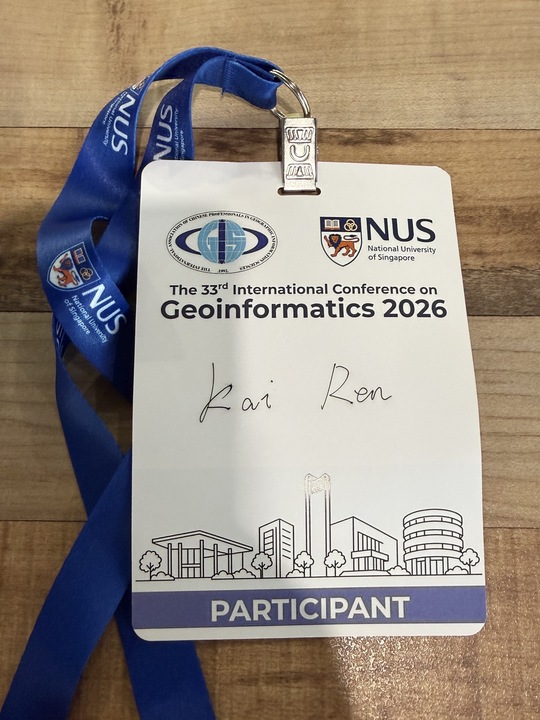
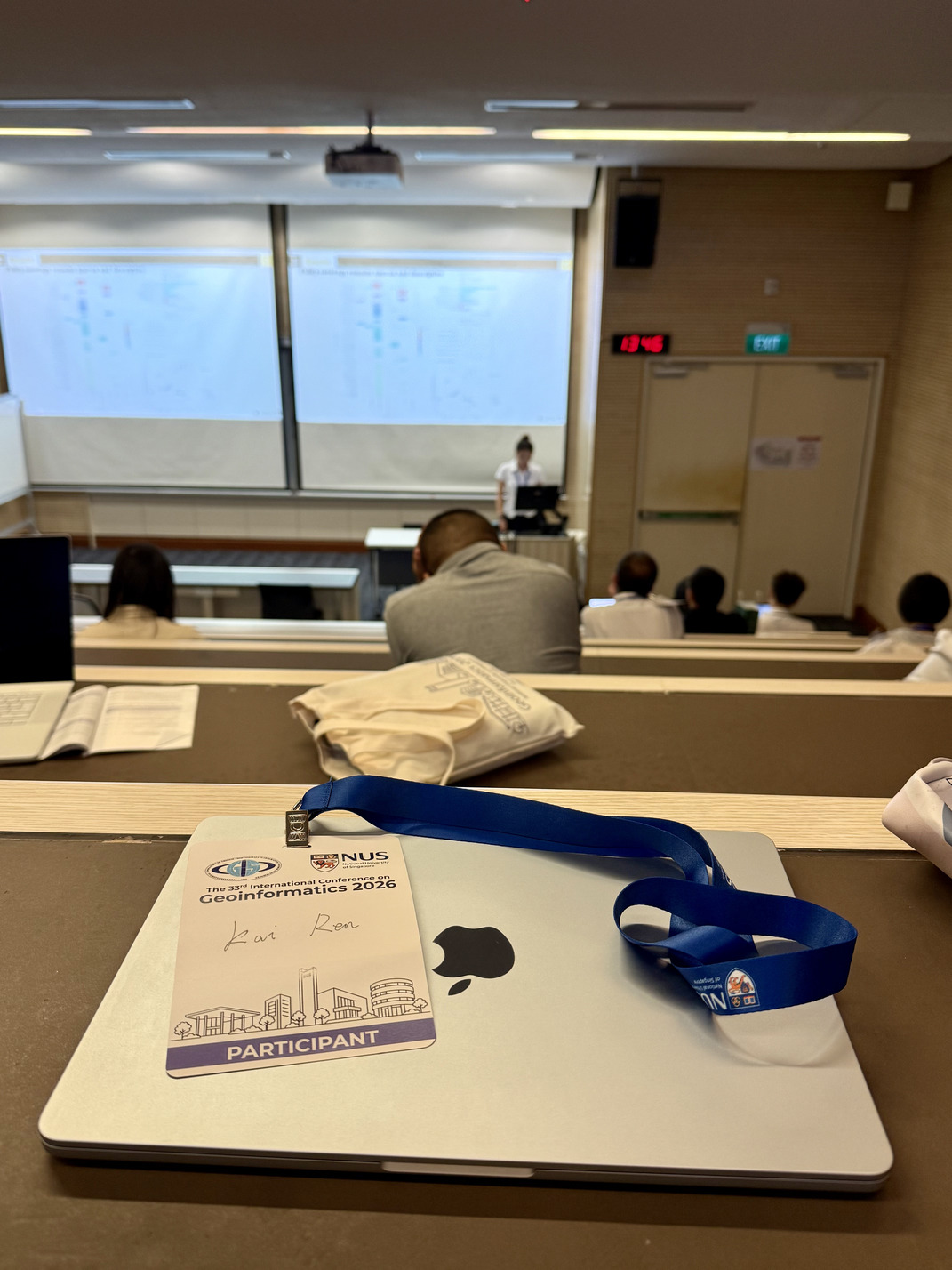
My Presentation on Second-Dimension Outliers
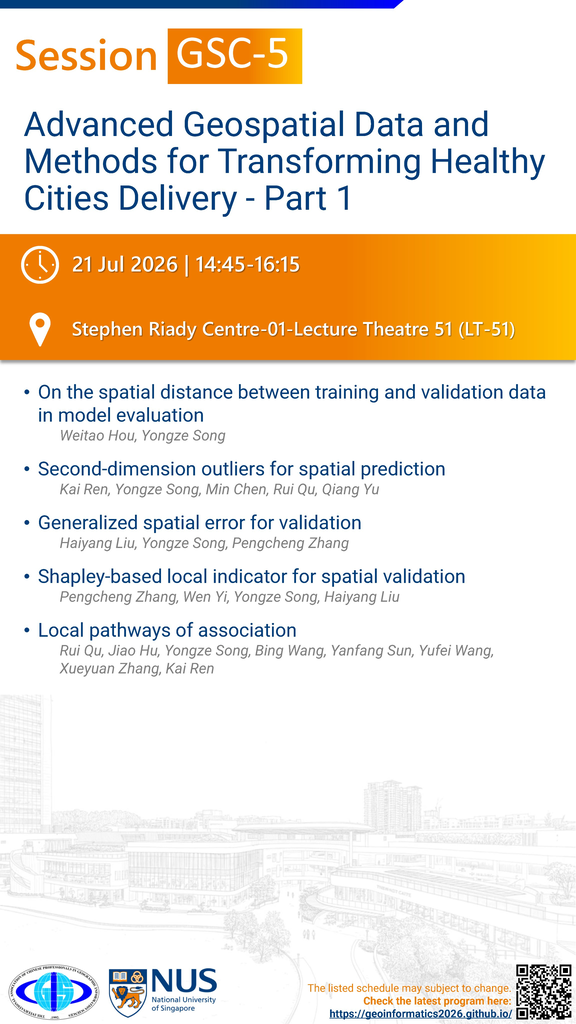
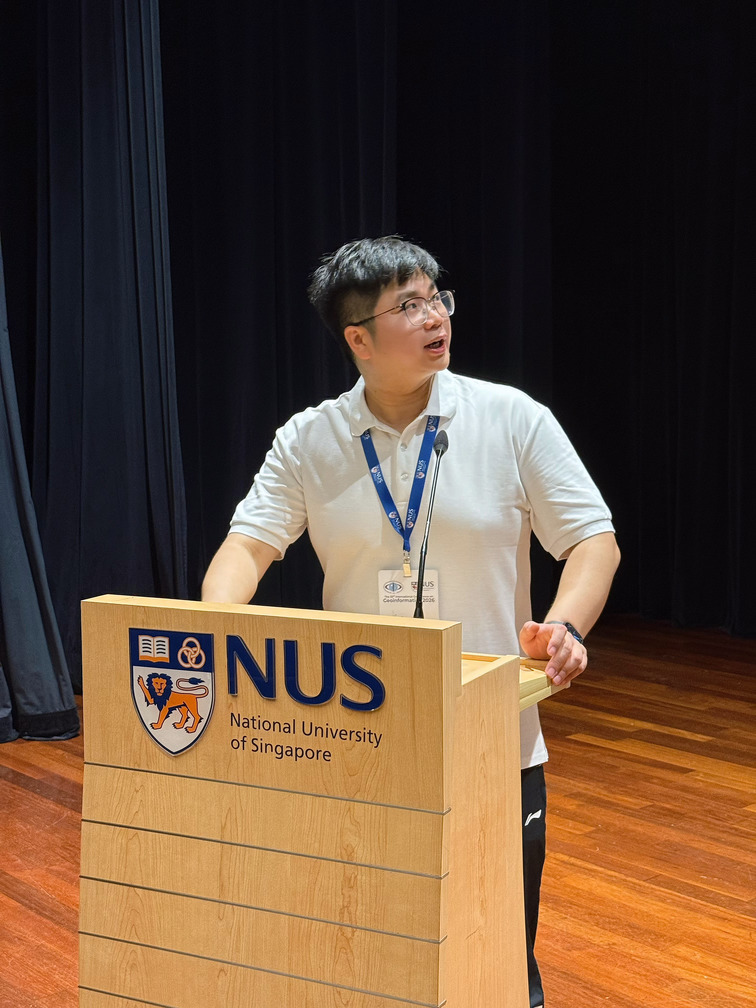
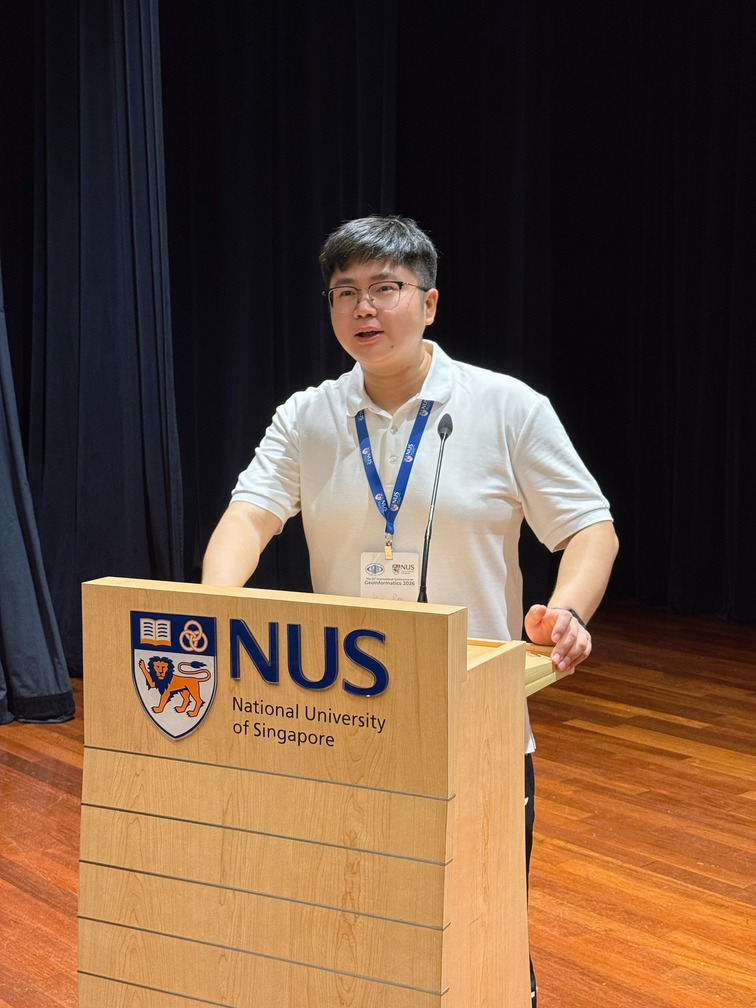
My contribution to the conference was one oral presentation, “Second-dimension outliers for spatial prediction”, delivered on 21 July in Session GSC-5, “Advanced Geospatial Data and Methods for Transforming Healthy Cities Delivery - Part 1”.
The presentation introduced second-dimension outliers as a way to capture local outlier information around unsampled locations and turn it into additional variables for spatial prediction. Using Australian wheat production as the case study, I showed how this added geographic and environmental context can improve machine-learning predictions, particularly for extreme values.
Presenting the study in a geoinformatics session helped me explain the idea beyond the paper itself: the objective is not simply to remove unusual observations, but to quantify their local spatial context and use that information in prediction.
Academic Exchange
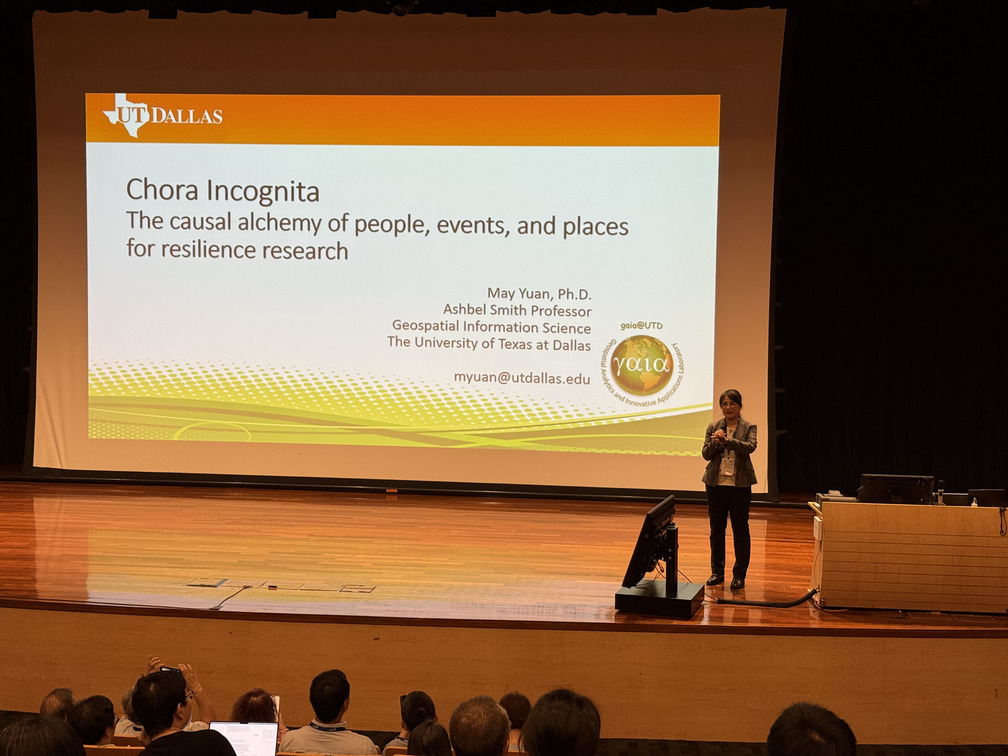
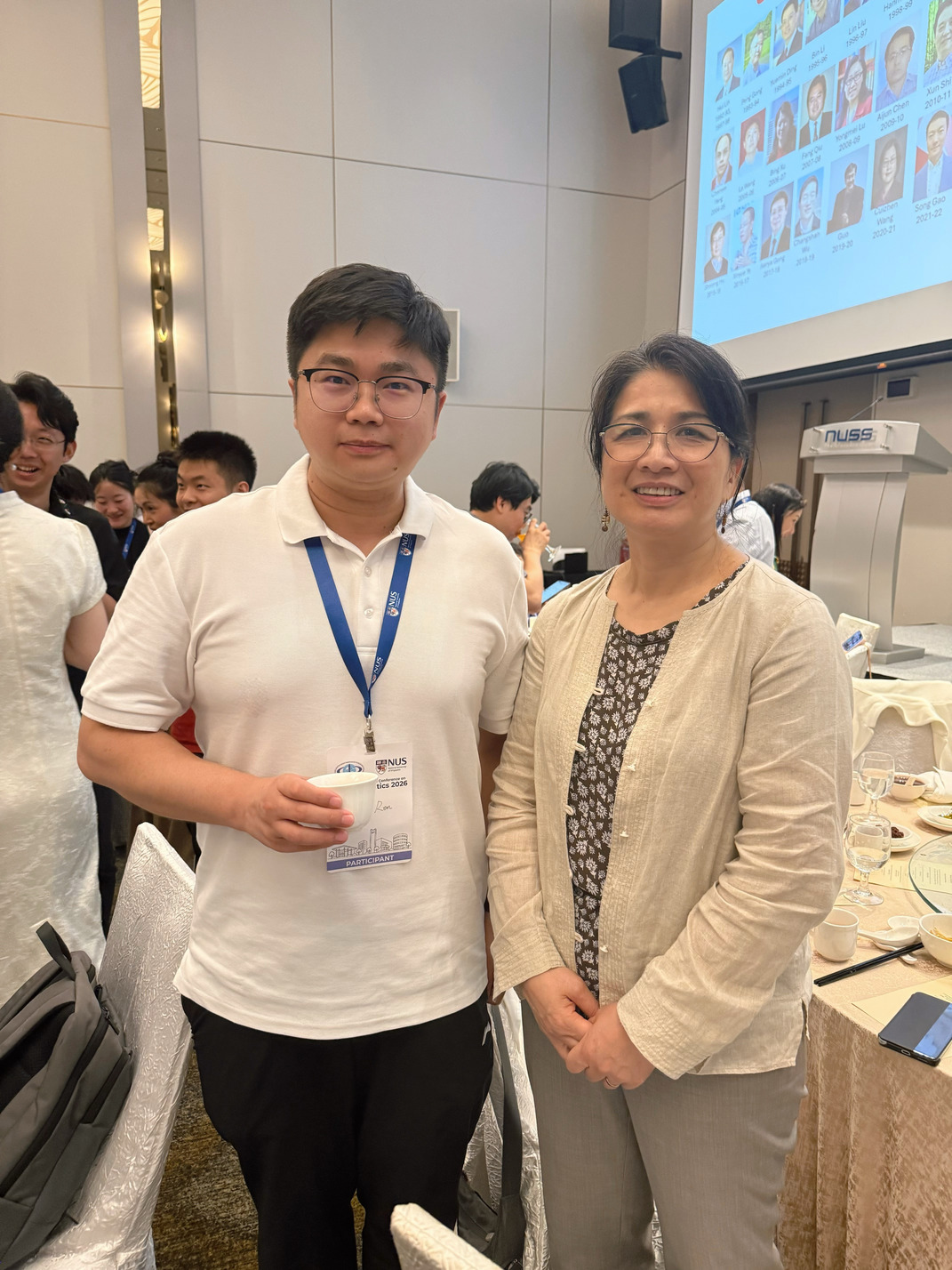
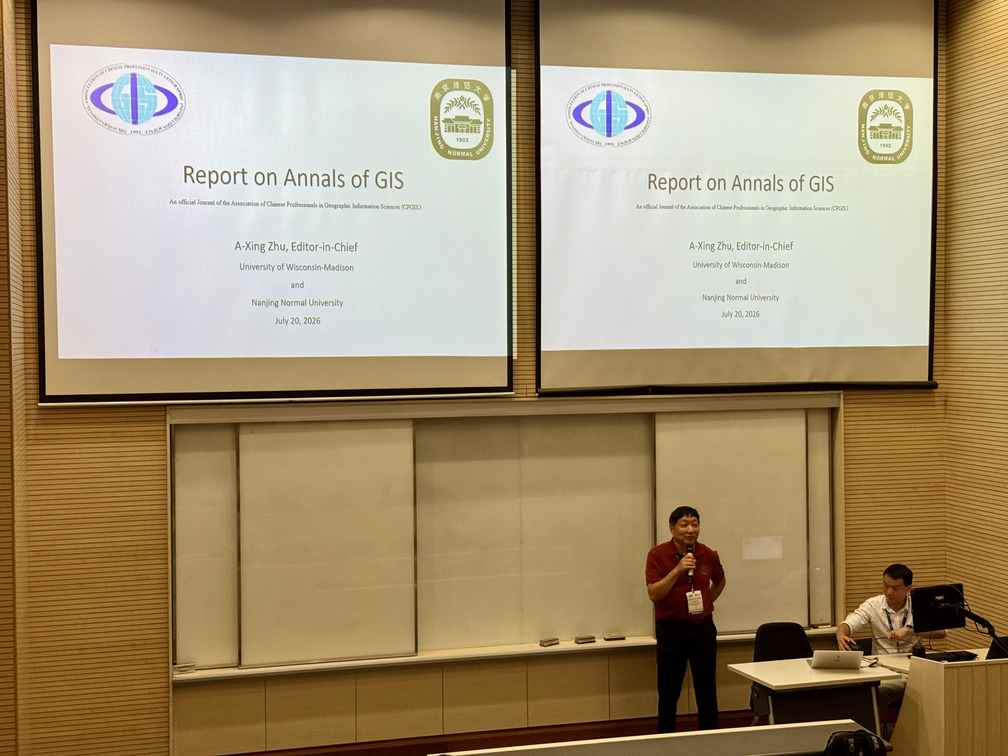
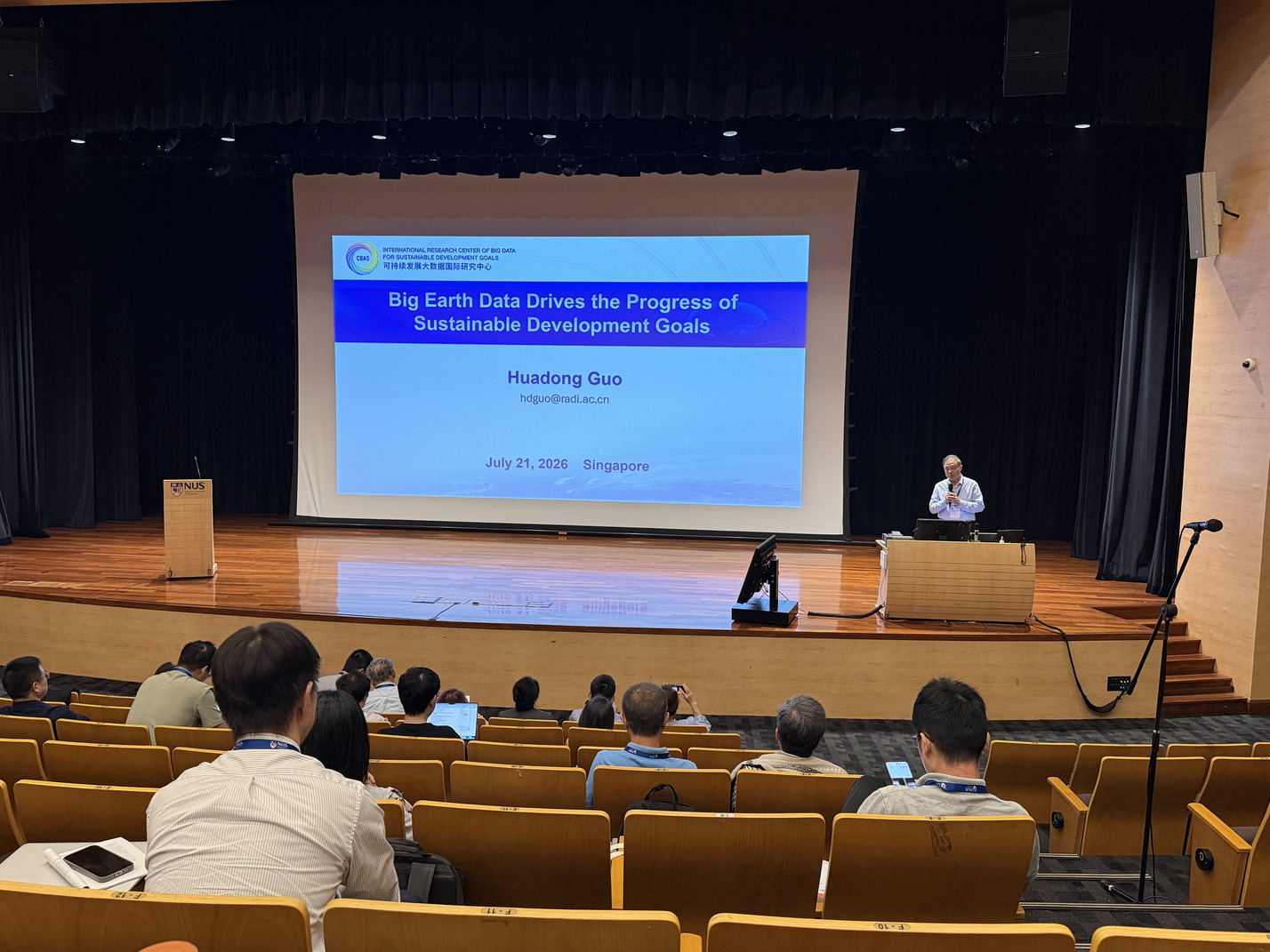
Beyond my own report, I attended presentations on GIScience theory, journals, resilience, and large-scale geospatial data. A memorable part of the conference was meeting Professor May Yuan, Editor-in-Chief of the International Journal of Geographical Information Science, and listening to her presentation, “Chora Incognita: The causal alchemy of people, events, and places for resilience research”.
These exchanges offered a broader view of how geographic information science can connect methodological innovation with real questions about cities, human activities, and environmental resilience.
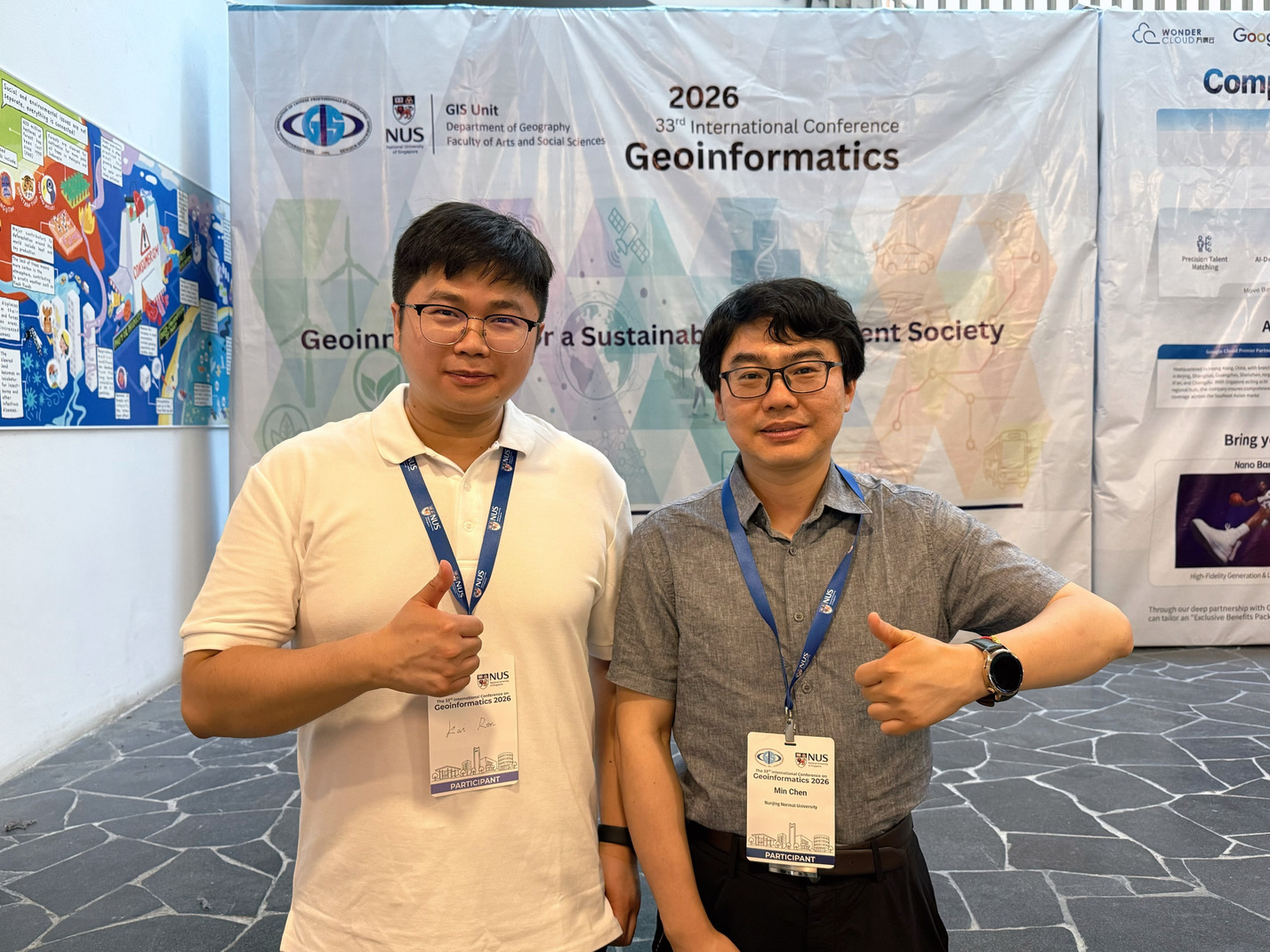
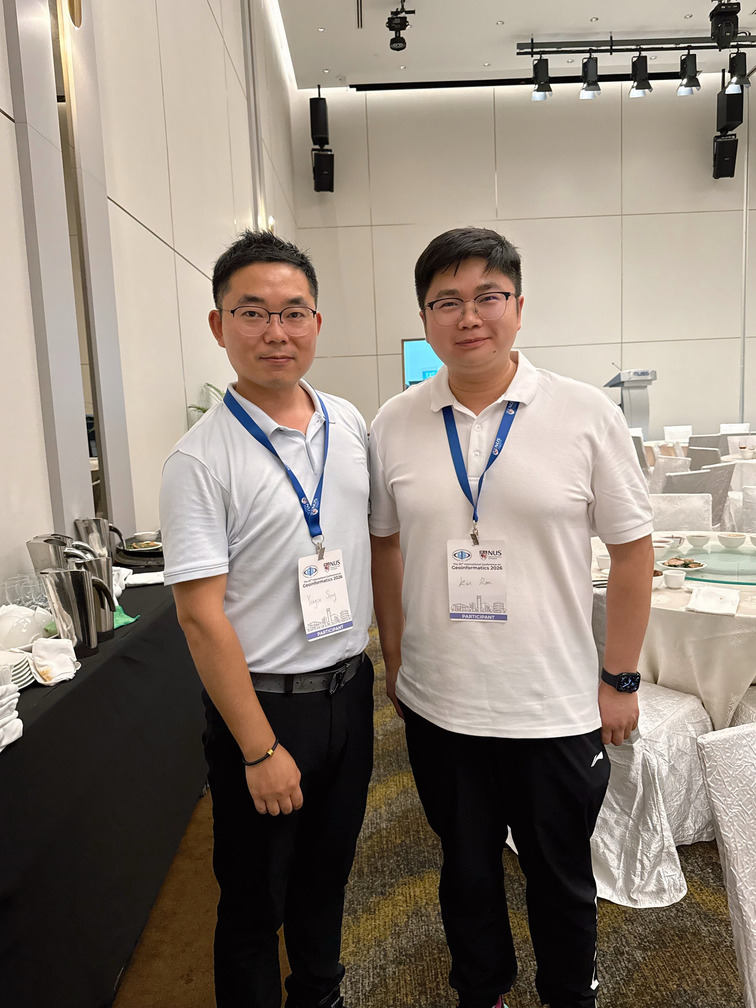
Conference Community and NUS
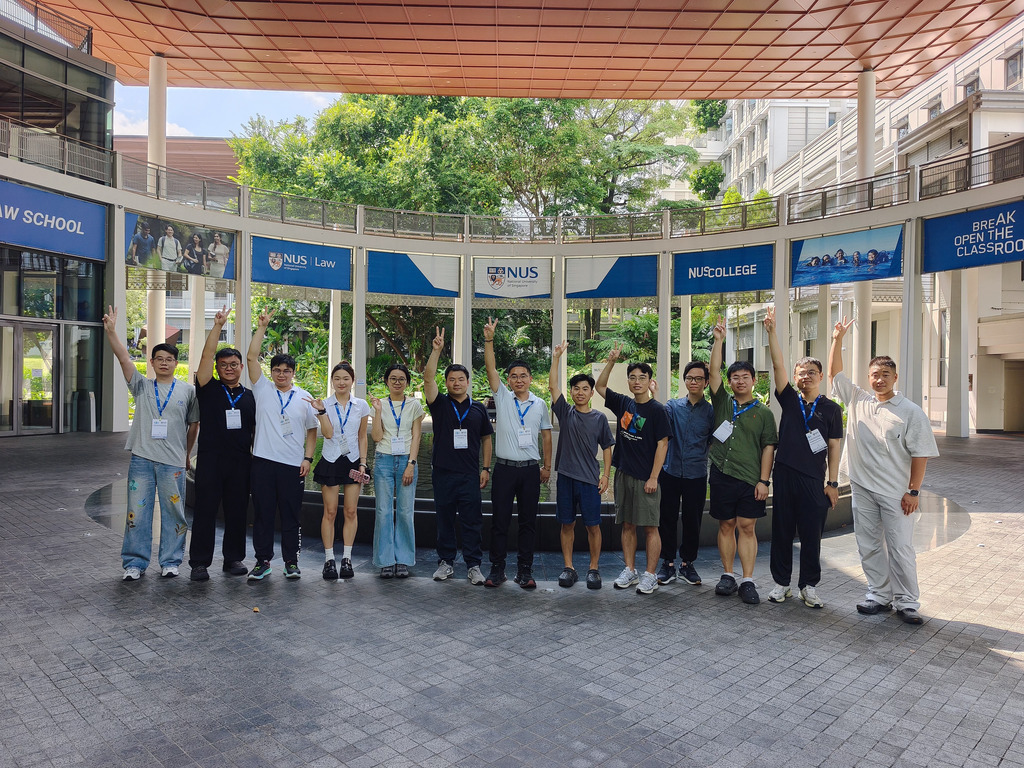
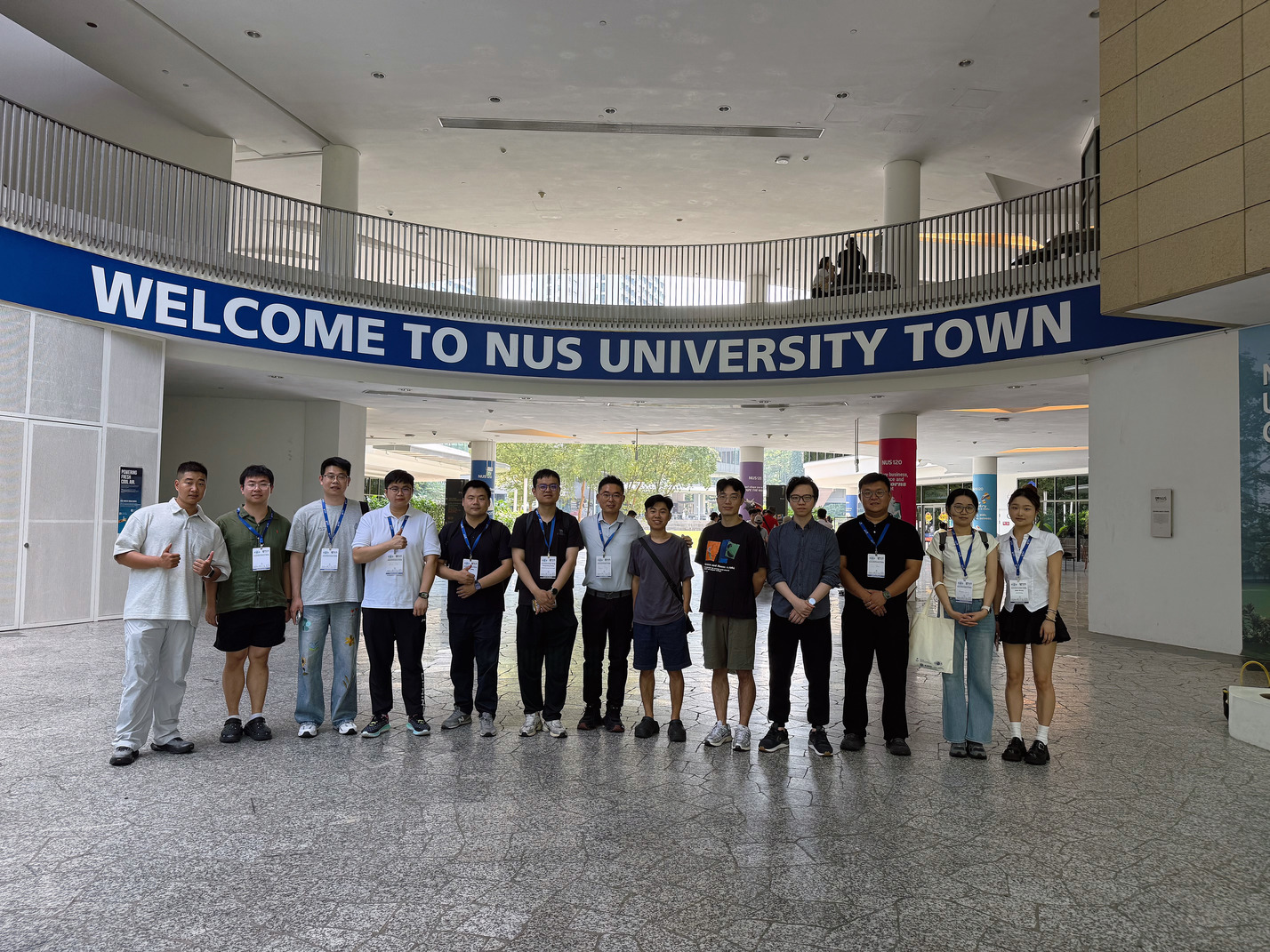
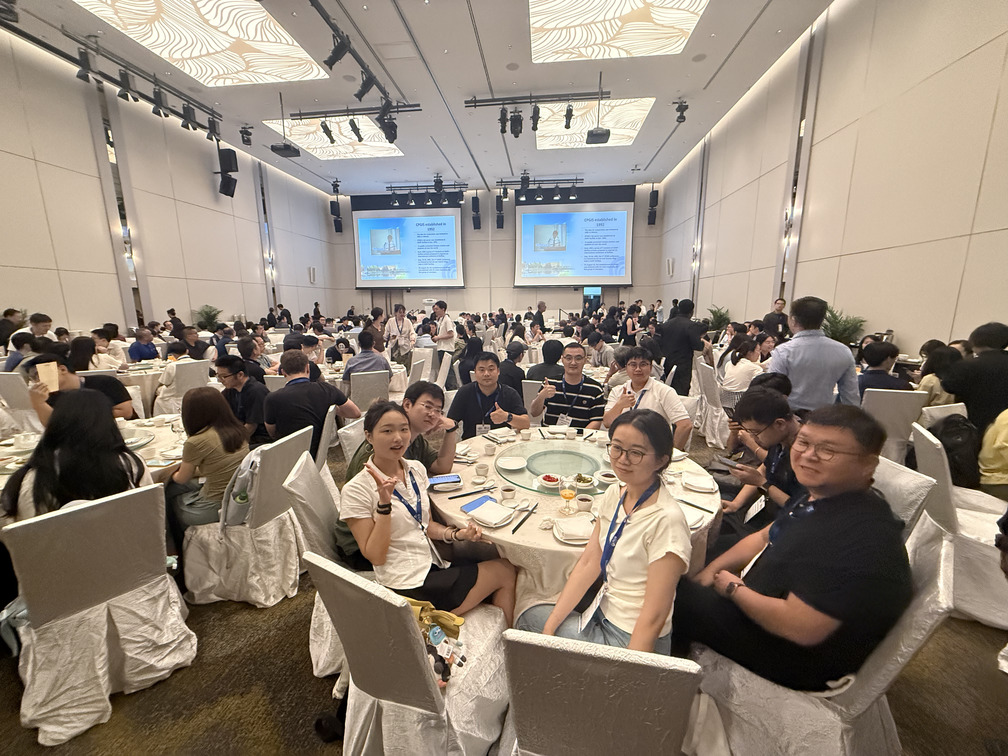
The conference also brought together members of the Geospatial Intelligence Lab, led by A/Prof. Yongze Song. Group activities around NUS and the conference banquet created time to continue conversations outside the lecture rooms and share the visit as a research group.
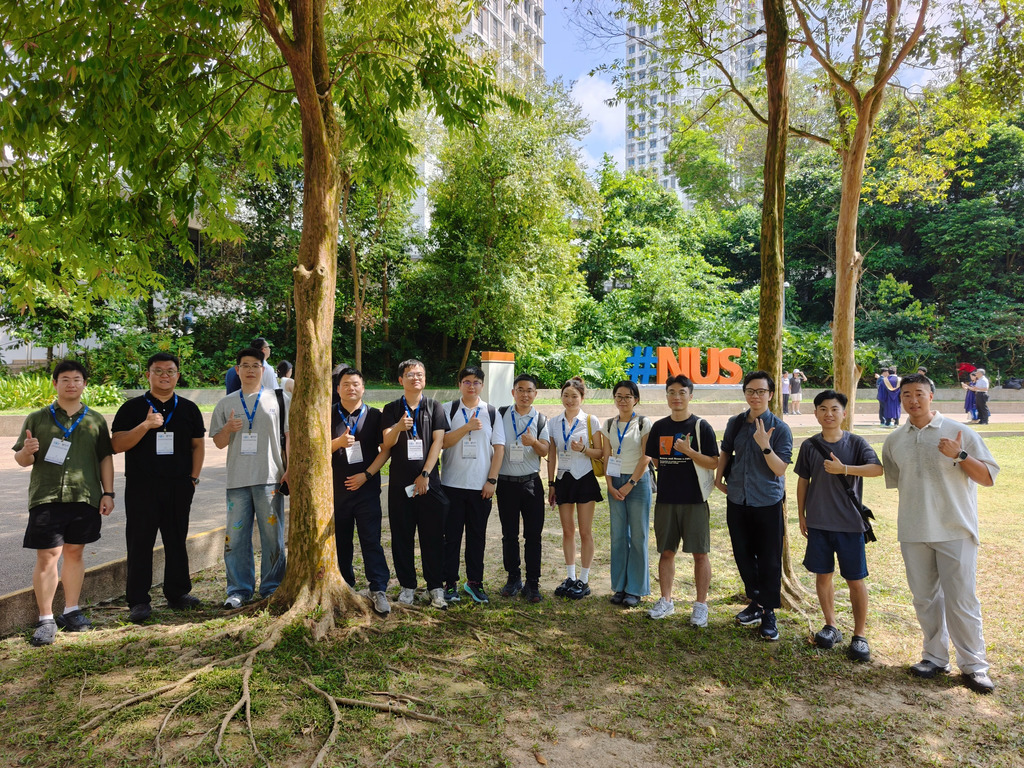
This was a compact but meaningful conference visit: one focused presentation, many conversations, and a valuable opportunity to connect my work on spatial prediction with the wider international GIScience community.